




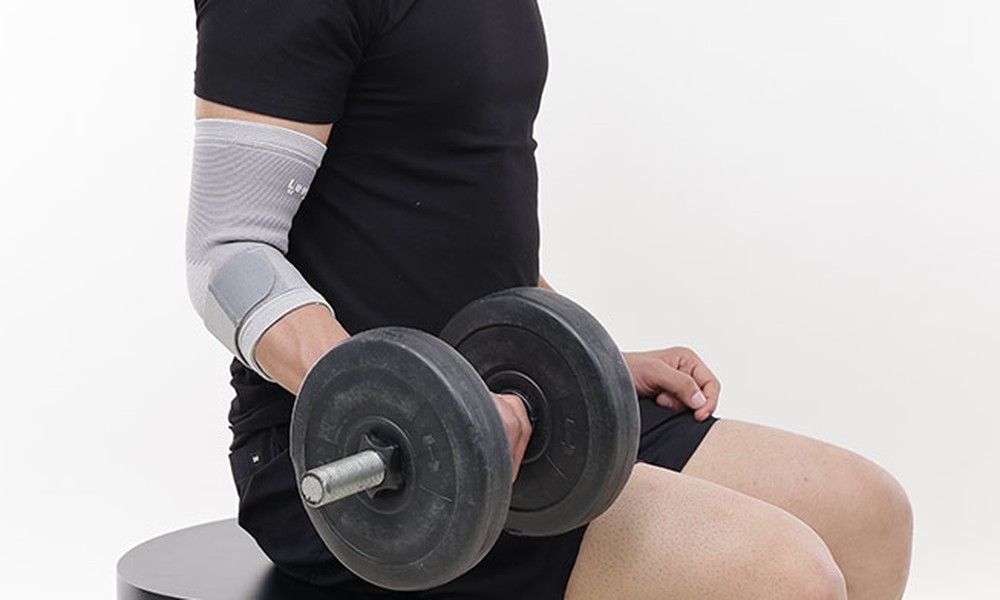
Heavy lifting poses some physical demands on the human body. A lifter’s joints experience higher levels of mechanical stress when they increase the weight on the barbell. The elbow joint is particularly vulnerable during intense pressing and pulling movements.
This is why most heavy lifters use elbow supports to manage this strain. Elbow support for gym workouts has become a popular sight in fitness centres. These orthopedic aids are not just random aesthetic accessories. They range from thin compression sleeves to thick powerlifting wraps.
The most important factor is to note that every piece of training equipment is different. You can not point out that a single one of them is perfect. They all come with their benefits and cons. Benefits are mostly achieved when they are used as directed. Cons are the bad results that are triggered by using them in the wrong way.
This blog analyses the advantages and disadvantages of using elbow supports during heavy training sessions. This information enables you to make an educated decision for your long-term joint health.
The Anatomy of the Lifting Elbow
The elbow is a complex hinge joint where three major bones meet. These bones are the humerus of the upper arm, and the radius and ulna of the forearm. Muscles and tendons control the movement of this skeletal structure.
The elbow functions as a main pivot point during heavy exercises like the bench press and overhead press. The triceps muscle exerts massive force through its tendon to extend the arm under load. Repetitive heavy loads can strain these connective tissues as time passes. This strain is triggered when lifting weights that exceed the current recovery capacity of your tendons. Additional support aims to modify these forces during heavy training.
Pros of Elbow Support for Heavy Lifting
An elbow support offers several advantages when worn for heavy lifting. These benefits can enhance both your safety and performance.
| Benefit | How It Happens |
|---|---|
| Increased Tissues Temperature | Neoprene materials trap body heat around the joint. Warm tendons are more elastic and less prone to sudden strain under heavy loads. |
| Enhanced Joint Tracking | The physical presence of a thick sleeve helps keep the elbow moving in its optimal anatomical path. |
| Reduced Peak Tendon Stress | Thick sleeves and wraps absorb a small portion of the load at the bottom of a lifting movement. |
| Improved Joint Awareness | Constant skin compression enhances your nervous system feedback. This helps you identify and fix minor form flaws during a lift. |
| Post-Workout Recovery Support | Compression from an elbow support after training can assist in reducing localized fluid retention and muscle soreness. |
Cons of Elbow Support for Heavy Lifting
An elbow support gear introduces certain risks to your training progression. Lifters should understand these downsides before making gear a permanent fixture.
| Disadvantage | How It Happens |
|---|---|
| Masking Underlying Technique Issues | Supports can hide poor lifting mechanics. This enables a lifter to continue using bad form until a more serious issue develops. |
| Unbalanced Structural Adaptation | Muscles adapt to heavy loads faster than tendons and ligaments. Artificial support can accelerate muscle growth while leaving connective tissues underdeveloped. |
| Psychological Dependency | Lifters usually develop a mindset where they feel unable to train hard without their gear. This reduces natural lifting confidence. |
| Reduced Stabilizer Muscle Engagement | Stiff wraps do the work of the minor stabilizing muscles around the arm. This can lead to weaknesses when lifting bare-handed. |
| Skin Chafing and Hygiene Issues | An elbow support that offers heavy compression traps sweat against the skin. This may lead to bacterial growth and skin irritation if the support is not cleaned. |
Final Thoughts
Making the choice to use an elbow support band for gym sessions does not have to be a scary decision you make. Of course, it comes with some cons. But better to know where those cons come from. This is an essential question that one should be able to answer. The pros of elbow support include pain alleviation and injury prevention. They help manage an existing injury and enhance the lifter’s performance.
All these benefits are achieved when you take the right measures to wear these support aids. Do not rely on them only. Implement some other alternatives, like safe lifting mechanics. Avoid using an elbow support to push through severe pain. This approach provides help when it matters most and preserves natural joint strength.
Perform your general warm-up and lightest working sets without any additional support. This encourages your body to produce its own lubricating joint fluid. It also causes your stabilizer muscles to engage early in the workout.
Wear the support for your heaviest sets of the day. Remove the support for your lighter back-off sets once you finish those top-tier sets. This cycle ensures you get benefits only. It is the ideal measure to prevent the cons of using an elbow support for heavy lifting from happening.