




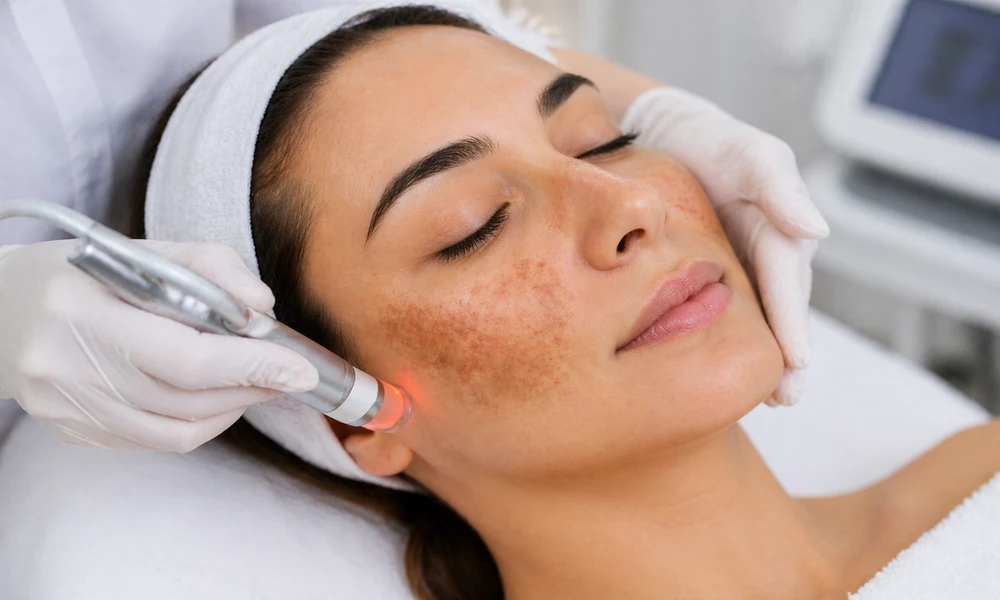
Melasma can be frustrating because it often develops gradually and becomes more noticeable over time. Dark patches may appear on the cheeks, forehead, nose, or upper lip, affecting overall skin tone and confidence. Many people try creams and home remedies without seeing lasting improvement because melasma usually forms deep within the skin. Looking at melasma treatment before and after results can provide a better understanding of what professional care can achieve and why consistent treatment often delivers the best outcome.
Why Melasma Is Difficult to Treat
Melasma is a form of hyperpigmentation caused by excess melanin production. Unlike temporary dark spots that fade naturally, melasma is influenced by several factors working together.
Common triggers include:
- Sun exposure
- Hormonal changes
- Pregnancy
- Genetics
- Certain medications
- Heat exposure
Because multiple factors contribute to its development, treatment usually involves more than a single procedure.
What Professional Treatment Focuses On
The goal of professional melasma treatment is not simply to lighten dark patches. Instead, it aims to reduce excess pigmentation while protecting the skin from future recurrence.
A personalized treatment plan may include several approaches depending on the severity of the condition.
These can include:
- Laser treatments
- Medical grade skincare
- Pigment reducing creams
- Sun protection guidance
- Regular follow up evaluations
Combining different therapies often produces better results than relying on one treatment alone.
What Changes Can Be Expected?
People often search for treatment photos because they want realistic expectations rather than exaggerated promises.
During the Early Stage
The first few weeks usually focus on calming pigment production and improving overall skin health. Visible changes may be gradual, especially in long standing cases.
As Treatment Continues
With consistent care, many patients notice that dark patches begin to fade while the surrounding skin appears brighter and more even.
The improvement develops progressively instead of overnight.
Long Term Maintenance
Melasma has a tendency to return if trigger factors are not managed. Ongoing sun protection and suitable skincare help maintain the improvements achieved through professional treatment.
Factors That Influence Results
Every person’s skin responds differently. Several factors affect the speed and degree of improvement.
These include:
- Depth of pigmentation
- Skin type
- Daily sun exposure
- Consistency of treatment
- Home skincare routine
- Individual skin response
A medical assessment allows the treatment plan to be adjusted according to the patient’s progress.
Daily Habits That Support Treatment
Professional treatment works best when combined with good skincare habits.
Helpful practices include:
| Daily Habit | Benefit |
|---|---|
| Apply sunscreen every morning | Protects against new pigmentation |
| Wear protective clothing outdoors | Reduces UV exposure |
| Use recommended skincare products | Supports skin recovery |
| Attend scheduled follow up visits | Allows treatment adjustments |
| Avoid unnecessary sun exposure | Helps maintain results |
These simple habits play an important role in maintaining clearer skin over time.
Why Individual Treatment Plans Matter
No two cases of melasma are exactly alike. The location, depth, and severity of pigmentation differ from person to person, making personalized treatment essential.
Many people researching melasma treatment before and after hope to achieve smoother, brighter, and more even skin. Professional evaluation helps identify the underlying causes of pigmentation before creating a customized treatment plan. With modern laser technology, medical skincare, and consistent follow up care, gradual improvement can be achieved while supporting healthier looking skin for the future.