


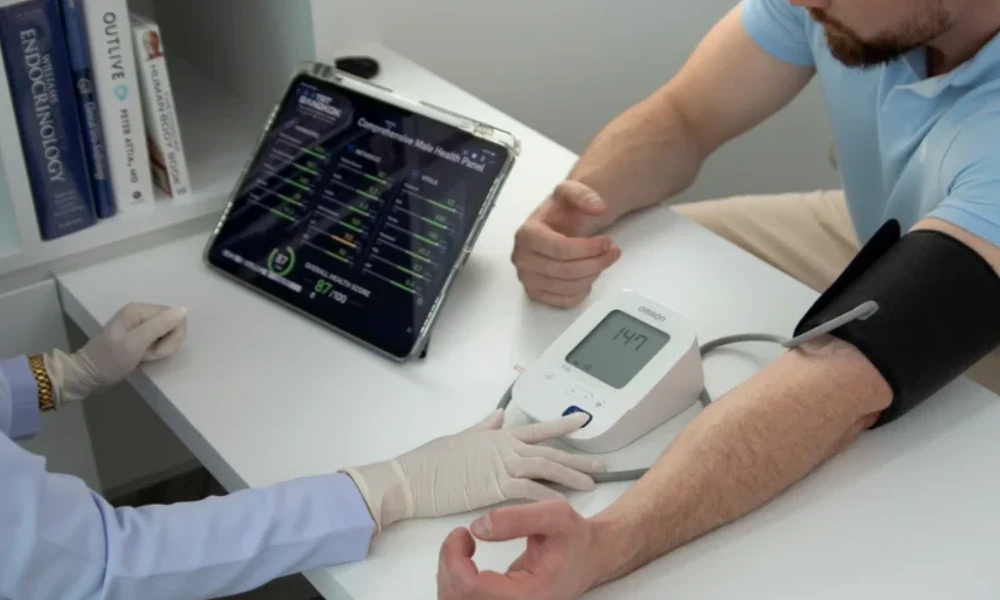




Hyperlipidaemia is one of the most prevalent metabolic disorders encountered in UK primary care, and an important modifiable risk factor for cardiovascular disease (CVD) – the leading cause of death in the UK. Early recognition, accurate classification, and appropriate management of lipid disorders are essential for reducing long-term morbidity and mortality. This article reviews the definitions, types, and risk factors associated with hyperlipidaemia to support clinicians in improving diagnostic accuracy and individualised care.
What is Hyperlipidaemia?
Hyperlipidaemia refers to elevated levels of lipids – cholesterol, triglycerides, or both – in the blood. Lipids play a key physiological role in energy metabolism and cellular structure, but excessive concentrations can lead to atherosclerotic plaque formation, vascular inflammation, and ultimately cardiovascular events such as myocardial infarction and stroke.
In clinical practice, hyperlipidaemia is often identified through a fasting or non-fasting lipid profile, which includes:
- Total cholesterol (TC)
- Low-density lipoprotein cholesterol (LDL-C) – “bad cholesterol”
- High-density lipoprotein cholesterol (HDL-C) – “good cholesterol”
- Triglycerides (TG)
NICE guidance (NG238, 2023) recommends a non-fasting lipid profile for most adults being assessed for CVD risk, using total cholesterol/HDL-C ratio and calculated non-HDL cholesterol to guide management.
Types of Hyperlipidaemia
Hyperlipidaemia can be primary (genetic) or secondary (acquired), and recognising the distinction helps determine both treatment and the need for family screening.
1. Primary (Familial) Hyperlipidaemias
These are caused by inherited genetic defects affecting lipid metabolism.
- Familial Hypercholesterolaemia (FH)
- An autosomal dominant condition caused by mutations in the LDL receptor or related genes.
- Characterised by markedly elevated LDL-C from birth, leading to premature coronary artery disease (often before age 55 in men or 60 in women).
- Physical signs such as tendon xanthomata or corneal arcus may be present.
- NICE recommends cascade testing of first-degree relatives and referral to specialist lipid clinics.
- Familial Combined Hyperlipidaemia (FCH)
- The most common inherited lipid disorder, often presenting in adulthood.
- Characterised by variable elevations in cholesterol, triglycerides, or both, within the same family.
- Associated with metabolic syndrome and increased CVD risk.
2. Secondary (Acquired) Hyperlipidaemias
Secondary causes should always be excluded before diagnosing a primary disorder. Common examples include:
- Diabetes mellitus – increased triglycerides and reduced HDL-C.
- Obesity and metabolic syndrome – often produce a mixed dyslipidaemia pattern.
- Hypothyroidism – raises LDL-C levels.
- Chronic kidney disease and nephrotic syndrome – elevate both cholesterol and triglycerides.
- Excess alcohol intake – increases triglycerides.
- Medications – such as corticosteroids, antiretrovirals, retinoids, and some antipsychotics.
Correcting or managing these underlying conditions can substantially improve lipid profiles.
Risk Factors and Clinical Significance
Hyperlipidaemia is a major contributor to atherosclerotic cardiovascular disease (ASCVD). The risk is determined not only by lipid levels but also by associated factors such as age, sex, smoking status, blood pressure, glycaemic control, and family history.
Non-modifiable risk factors include:
- Age and male sex
- Family history of premature CVD
- Genetic predisposition (e.g., FH)
Modifiable risk factors include:
- Diets high in saturated or trans fats
- Sedentary lifestyle
- Obesity and insulin resistance
- Smoking and excessive alcohol use
Risk assessment tools such as QRISK3 (endorsed by NICE) incorporate lipid values alongside other risk factors to guide decisions about statin therapy and lifestyle intervention.
Implications for Primary Care
Primary care teams play a central role in identifying and managing hyperlipidaemia through opportunistic screening, CVD risk assessment, and long-term monitoring. Key steps include:
- Comprehensive assessment – Evaluate lipid profile, secondary causes, and CVD risk.
- Lifestyle modification – Promote a Mediterranean-style diet, weight management, smoking cessation, and regular physical activity.
- Pharmacotherapy – Initiate statins in line with NICE NG238 for primary or secondary prevention; consider ezetimibe, PCSK9 inhibitors, or bempedoic acid where indicated.
- Follow-up – Re-check lipids 3 months after treatment initiation and adjust as necessary.
- Family screening – Especially in suspected familial cases.
If you’re looking to deepen your understanding of cardiovascular risk factor management – including hyperlipidaemia and hypertension – consider enrolling in the course A149 Essential Cardiology for Primary Care: Tackling Hyperlipidaemia and Hypertension offered by Practitioner Development UK Ltd. This one-day CPD event is designed for UK primary care practitioners and covers definitions, types, risk-factors, and up-to-date guideline-based management of both lipid disorders and hypertension. You can find full course details and booking information here: PDUK course page.
Conclusion
Understanding the spectrum of hyperlipidaemia – from familial to secondary causes – is essential for accurate diagnosis and effective CVD prevention. Primary care practitioners are uniquely positioned to detect lipid disorders early, address modifiable risk factors, and deliver evidence-based interventions that significantly reduce cardiovascular morbidity and mortality across the UK population.
References
- Bays, H.E. (2022) ‘Ten things to know about ten cardiovascular disease risk factors’, American Journal of Preventive Cardiology, 8, 100401.
- Giles, L.A., et al. (2024) ‘Hyperlipidemia prevention and management utilising lifestyle interventions in primary care’, Journal of Midwifery & Women’s Health, 69(1), pp. 5-12.


